



In his latest opinion piece, Priscilla Wiredu explores Druski’s Erika Kirk skit and the differences between blackface and whiteface.
“Blackface was not simply about impersonating another race; it was part of a broader system of racial oppression.” – Priscilla Wiredu
Recently, comedian Drew Desbordes, AKA Druski, came under fire after performing several viral comedy sketches in which he used makeup to portray white Republican women. One widely viral video shows him acting as Erika Kirk, the widow of right wing podcaster Charlie Kirk, who was shot and killed at a college meet up in September 2025.
As usual, the internet became divided; many viewers found the skits humorous or satirical, while critics accused the comedian of engaging in “whiteface” and claimed it was the same as blackface.
Spoiler alert: it is not.
This has been a longstanding, unnecessary discussion that Black people have had ever since they have been granted human rights and decency in America. Historians, professionals and cultural scholars argue that these two concepts are fundamentally different. The differences lie not only in intent, but also in the historical and social contexts that shaped blackface in American culture.


What Happened in the Druski Skit
In the viral sketch, Druski transformed himself into a white Republican woman clutching a Bible and making tone deaf, robotic non responses at a press conference, occasionally crying fake tears in between. The character also arrived on stage at an event with fireworks and dancing erratically, getting the crowd to cheer. The character exaggerated common stereotypes of Republican white American culture, heavy patriotism, being God-fearing and speaking about Christian values.
The performance was meant as satire, a comedic technique that exaggerates social behaviors in order to critique or mock them. Comedy has long used impersonation as a tool for social commentary, from political satire to character-driven sketches.
Despite the comedic intention, the video ignited debate online about whether portraying another race through makeup is inherently racist.
“The [blackface] performances reinforced racist stereotypes during a time when Black Americans were facing slavery, segregation, and severe legal discrimination.”
The Historical Reality of Blackface
To understand why that Druski’s skit is not equivalent to blackface, it is necessary to examine the history of blackface itself.
The performances reinforced racist stereotypes during a time when Black Americans were facing slavery, segregation, and severe legal discrimination.
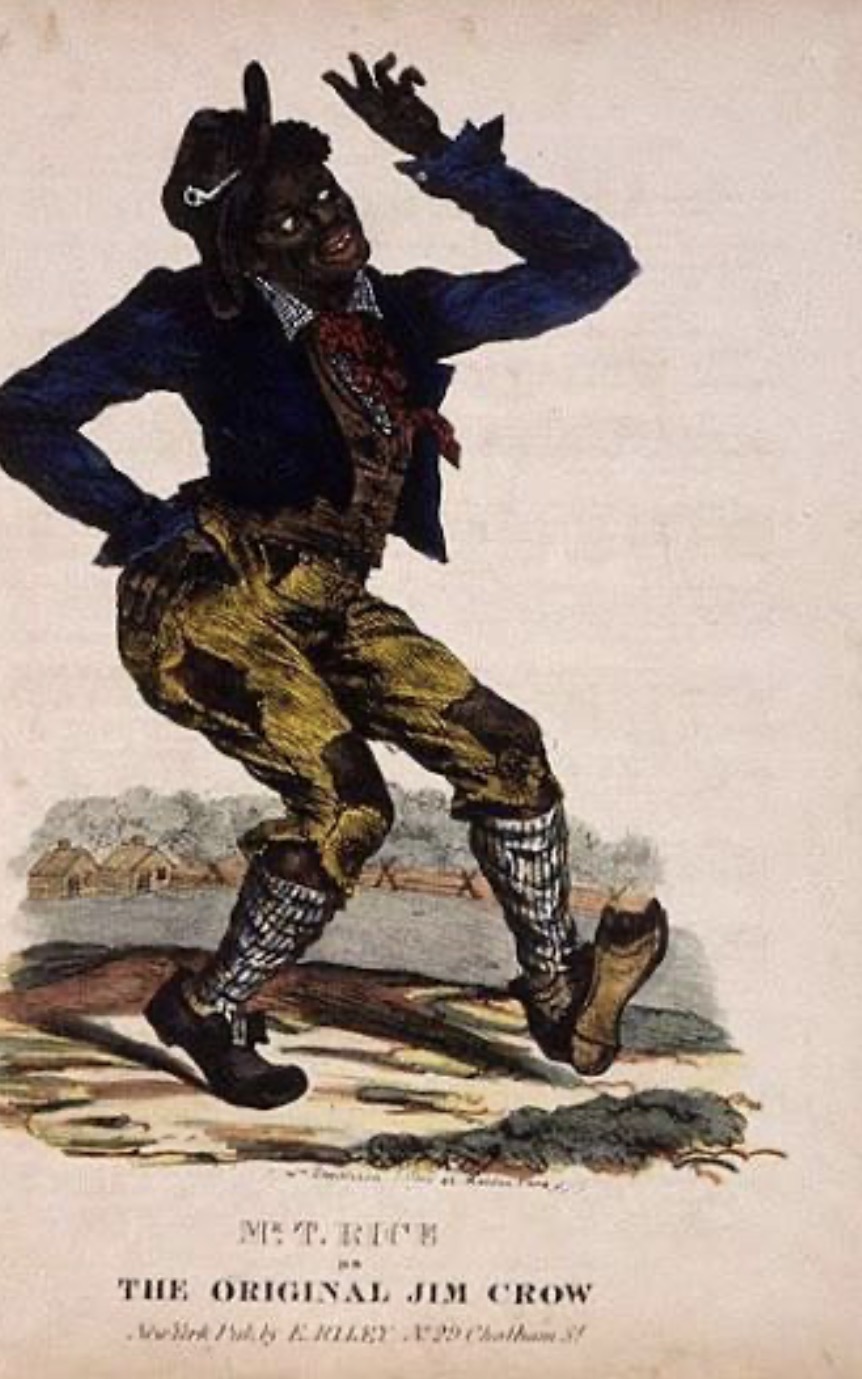
Blackface emerged in the 19th century through minstrel shows: popular stage performances in which white actors darkened their skin with burnt cork or greasepaint, and portrayed caricatures of Black people. These performances depicted African Americans as lazy, ignorant, superstitious, or comical figures.
Minstrel shows became one of the most popular forms of entertainment in the United States during the 1800s and early 1900s. The performances reinforced racist stereotypes during a time when Black Americans were facing slavery, segregation, and severe legal discrimination.
Blackface therefore served a social and political purpose: it helped justify racial hierarchies by presenting Black people as inferior and reinforcing harmful myths about their behaviour and intelligence. It also enabled more hate crimes, cross burnings, harassment and lynchings of Black people as well.
Because of this history, blackface is widely recognized today as a symbol of anti-Black racism and systemic oppression.

Why Whiteface and Blackface Are Not Equivalent
The ridiculous argument that Druski’s skit represents “reverse racism”, brought forward by the likes of content creator Jake Paul, who is considering a black face response to Druski’s skit, misunderstands how racism functions historically and socially.
First, blackface was not simply about impersonating another race; it was part of a broader system of racial oppression. It emerged during a time when white performers used these portrayals to mock a group that had little political or social power. The caricatures helped normalize discrimination against Black people.
Whiteface, by contrast, does not carry that same historical legacy. There is no comparable tradition of theatrical performances used to systematically degrade white people or justify legal discrimination against them.
Second, power dynamics matter. Racism involves prejudice combined with social power and systemic influence. Historically in the United States, Black Americans have been the targets of systemic discrimination, while white Americans have held the majority of political and institutional power.
Because of this imbalance, satire directed toward dominant groups typically functions differently than mockery directed toward marginalized communities.
Third, comedic context matters. Satirical portrayals such as Druski’s character are often intended to critique cultural behaviors rather than to claim racial superiority. While the humor may still be controversial or offensive to some audiences, it does not operate within the same oppressive tradition as minstrel performances.
And let’s be honest – whiteface has been the default for Western culture. It is incredibly easy to find an advertisement from those times glorifying white face; products advertising skin bleaching and whitewashing are a staple in American beauty standards.
“Blackface was part of a long tradition of entertainment that dehumanized Black people and supported racial oppression.”
The Role of Satire in Modern Comedy
Modern comedy frequently explores sensitive topics like race, politics, and culture. Comedians use exaggeration and impersonation to highlight contradictions or absurdities in society.
In the case of Druski’s skits, the humor centers on stereotypes about American culture rather than on claims of racial inferiority. The goal is typically comedic commentary rather than dehumanization.
However, the debate surrounding the video also demonstrates how conversations about race remain deeply sensitive. Many viewers are increasingly aware of historical racism and therefore react strongly to any performance involving racial impersonation.
Conclusion
The controversy surrounding Druski’s “whiteface” skit illustrates a broader misunderstanding about racism and historical context. While the video may be controversial or offensive to some audiences, equating it with blackface ignores the deeply racist history of minstrel shows and their role in reinforcing anti-Black stereotypes.
Blackface was part of a long tradition of entertainment that dehumanized Black people and supported racial oppression. Whiteface sketches like Druski’s satire exist in a very different cultural and historical context.
Understanding these differences is important for having informed conversations about race, comedy, and the boundaries of satire in modern media.


Related content: