



Due to immigration trends from the 1970’s going back over 100 years, Toronto is home to one of the most vibrant Black communities in North America. Here are five Afrocentric college and university programs in Toronto.
Toronto is arguably one of the most culturally diverse cities in the world. Their post-secondary institutions reflect the diversity through their programs that explore African and Black diaspora, histories, cultures, and political realities. Afrocentric education engages African people and perspectives in learning, and it allows students to analyze global issues through an Afrocentric lens.
From African studies to social justice education, here are some of the renowned programs open for graduates for careers in media, policy, academia, and community leadership.

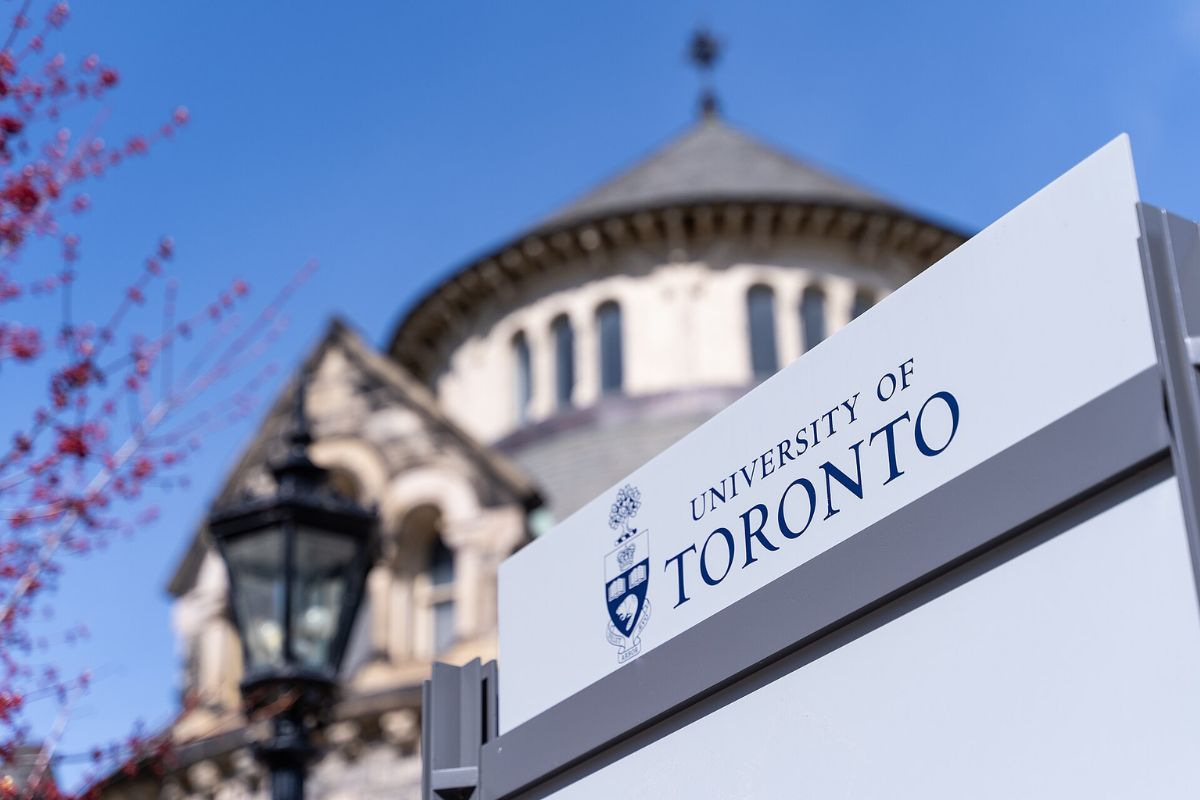
1. University of Toronto – African Studies Program
One of Canada’s most established academic pathways is the African Studies program at the University of Toronto’s New College. The program has been in operation since the 1970s and examines African histories, politics, literature, and cultural movements. This program teaches students to critically analyze colonialism, Black liberation movements, and global African identities whilst developing strong research and communication skills.
Some careers with this credential are journalist, policy analyst (racial/international focus), community program director, university research or professor, and public relations or communications specialist.
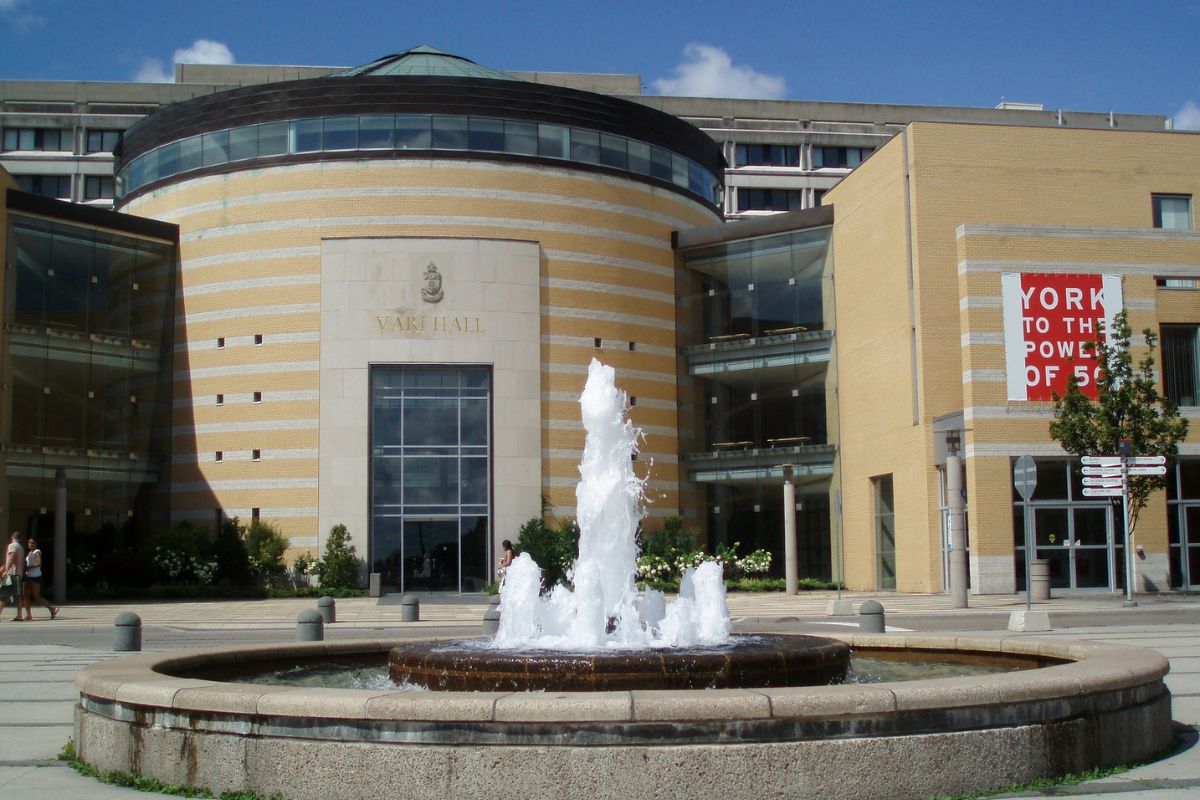
2. York University – African and African Diaspora Studies
York University offers one of the most comprehensive African diaspora-focused programs in Canada. The African and African Diaspora Studies program explores Black identities across continents, from Africa to the Caribbean, North America, and Europe. The curriculum explores topics such as Black political thought and activism, Caribbean cultural traditions, African literature and philosophy, and diasporic migration and identity.
Due to its interdisciplinary nature, the program attracts students interested in both academia and creative industries.
Career pathways can be documentary filmmakers, public historians, or social justice advocates, government policy advisors, and international development specialists.
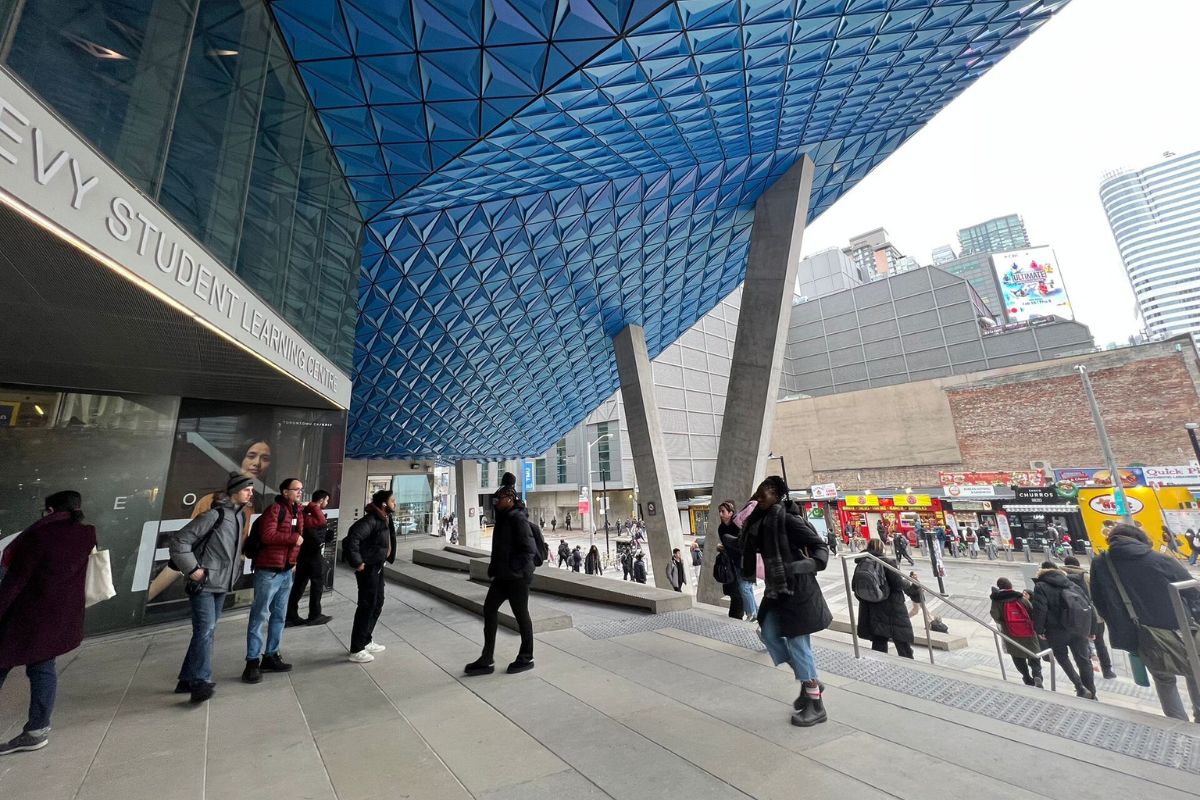
3. Toronto Metropolitan University – Black Studies Minor / Social Justice Programs
Toronto Metropolitan University integrates Afrocentric thinking into several social justice-oriented programs, including Black studies electives within humanities and equity studies.
These courses explore systemic racism, Black Canadian history, and media representation while encouraging students to analyze inequality and social change.
For journalism or communications students, this focus can be particularly valuable because it emphasizes ethical storytelling and representation of marginalized communities.
Career pathways include multimedia journalist, diversity consultant, documentary producer, cultural critic or columnist, and equity and inclusion specialist
For aspiring journalists, this background helps contextualize race and representation in media coverage.

4. Seneca Polytechnic – Social Service Worker Diploma (Afrocentric Community Work)
Although not labelled explicitly as Afrocentric, Seneca’s Social Service Worker diploma prepares students to work with diverse communities, including Black and immigrant populations across the GTA. This diploma can be a practical pathway for students interested in direct community immpact.
Students can learn about community advocacy, mental health support, cultural competency, and social justice frameworks. Many graduates apply these skills in Afrocentric community programs serving African, Caribbean, and Black populations.
Career pathways include community outreach coordinators, youth workers in Black community organizations, social service case managers, and nonprofit program managers.
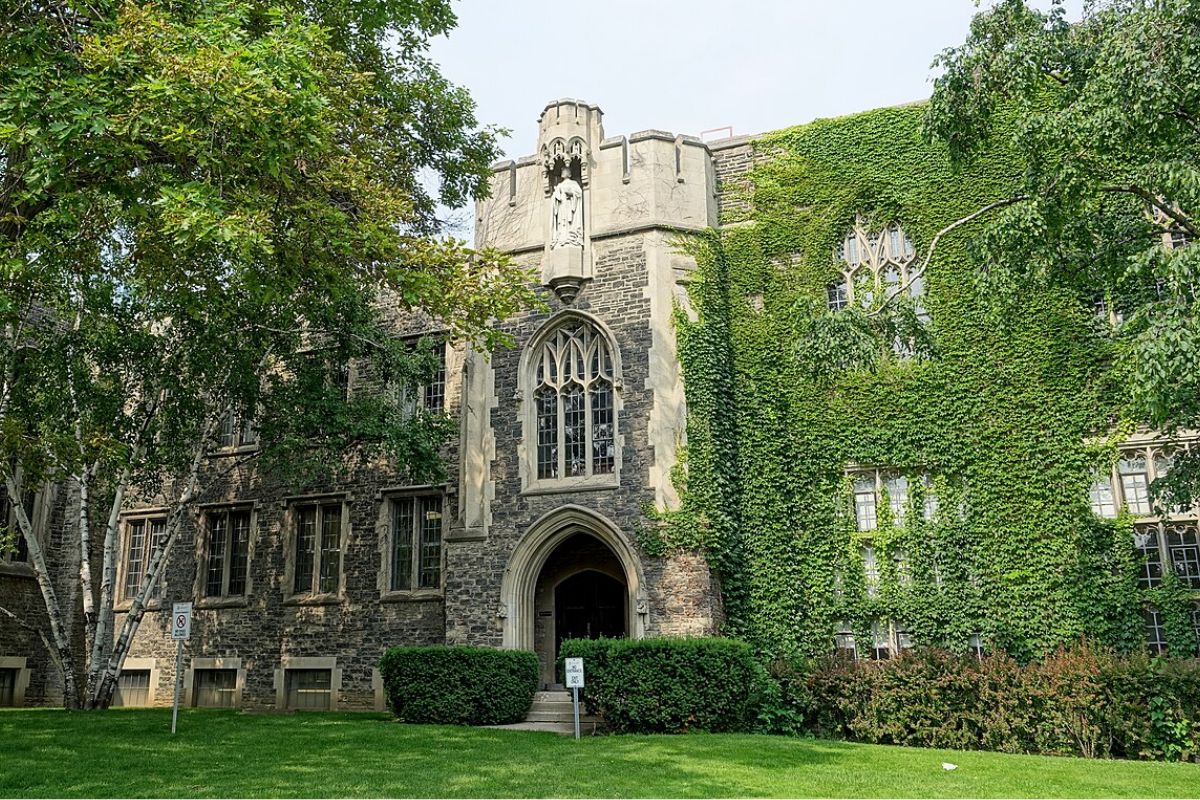
5. Emmanuel College (University of Toronto)- Theology and Black Religious Studies
For students interested in spirituality and social justice, Emmanuel College at the University of Toronto offers theological education that includes Black theology and liberation theology. These programs often lead to leadership roles within faith-based organizations serving Black communities. These perspectives explore how Christianity and spirituality intersect with the historical struggles of African and diaspora communities.
Programs like this often incorporate discussions about colonial history, social justice movements, and cultural identity within religious traditions.
Career pathways include faith-based community organizer, chaplain or minister, social justice educator, nonprofit leader, and researcher in religion and culture.
Why Afrocentric Programs Matter
Afrocentric programs help correct the historical underrepresentation of Black perspectives in academia. They emphasize the intellectual traditions, cultures, and experiences of African and Black diaspora communities while encouraging critical thinking about global power structures.
For students, especially those interested in journalism, media, policy, or activism, these programs provide a foundation for telling stories that center marginalized voices and challenge systemic inequalities.
In cities like Toronto, where the African and Caribbean diaspora plays a significant role in cultural life, Afrocentric education equips graduates to contribute meaningfully to conversations about race, culture, and social justice.


Related content:
OPINION:DRUSKI, ERIKA KIRK AND WHY BLACKFACE AND WHITEFACE ARE NOT THE SAME