


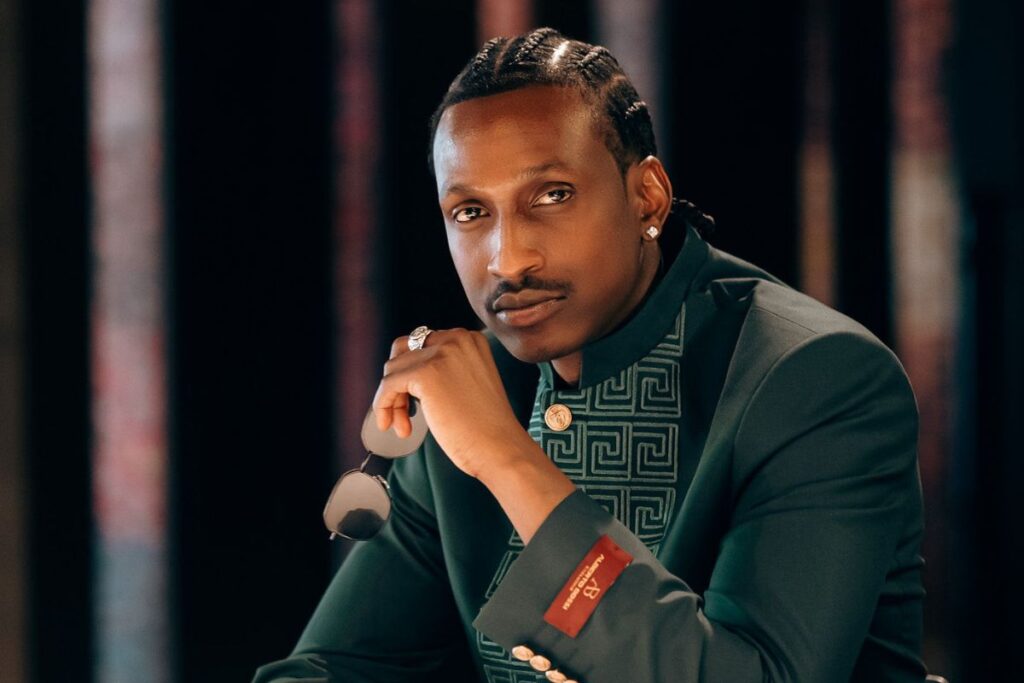
SHIFTER’s Jhamesha Milord Ashford speaks to Ottawa-based Burundian artist, Jonathan Shimiro, aka ‘Shim In The Cut’ about his rapid growth in the Afrobeats scene.
“Music is very subjective. It’s just about being diverse, being yourself, and don’t hesitate to put out music and just try things.”-Shim In The Cut
Jhamesha: Can you tell me, what’s your musical background, and, how Shim in the Cut came about from the ground up?
Shim In The Cut: I would say I’ve always been somebody that’s been into music since I was a kid. Not really professionally. I never had somebody doing music professionally in my family or whatnot. But it’s something the whole family enjoys, you know? Growing up in Burundi, music is always playing everywhere. And then, I grew up playing basketball. And, again, my love for music kept growing. When you’re playing basketball, you kind of need some motivation. You always have to get some good music in your ears. So, I was always in tune with that.
I would say about 2019, when I started university, that’s when I really started writing a lot of music. I just developed a love for writing music. I started off as a writer. I wasn’t really much in the studio. I kept writing, and then I would go to tournaments, long roads with the teammates, and I would be like, “Yo, listen to this. I wrote this thing” and they would tell me it’s not bad. That kind of pushed me to start recording myself on my phone, on Snapchat. I started recording some snippets of me just doing covers of rap songs I loved. I started off doing rap. After that, I just went with it. It became a hobby. A hobby turned into something I really enjoyed doing a lot, especially when I started recording for the first time with my friends. I found it so fun. Every time I kept going back to the studio, it just became more fun, and I kept getting better. The more we went on, and the more I just fell in love with it, and then it just became something I do for a living, especially after 2022, where I started really deep diving into Afrobeats and dancehall music, where I really found my sound. After that, the world knows what happened after that.
Jhamesha: Are you born in Burundi, or are you born here (Ottawa)?
Shim In The Cut: I was actually born in Burundi. I came, immigrated here with my family in 2010.
“I’m somebody that’s very proud of myself, and where I’m about, and where I’m from. So everywhere I go, I just bring this energy with me. I try to represent our people the best that I can…I feel like I have a whole generation, a whole culture on my back.”
Jhamesha: You’ve published that, your music is like a deep dive into your experience living in Canada as a Black man. Can you share a glimpse of what that’s been like for you, especially being born in Burundi?
Shim In The Cut: Like I said earlier, I mentioned that I did grow up in Burundi, but I came here when I was
10. So, growing up over there, I was just a little kid that was just playing soccer every day. I’m somebody that’s very proud of myself, and where I’m about, and where I’m from. So everywhere I go, I bring this energy with me. I try to represent our people the best that I can. There’s definitely been obstacles, and definitely rooms you step into where there’s not a lot of Black people, or not a lot of Afrobeat singers and African artists in general. So, I just take pride in that, being like, “I actually made it here”. I feel like I have a whole generation, a whole culture on my back. Every time I kind of get into these rooms, I feel proud, to be honest. I don’t really feel challenged. Nothing really challenges me other than myself.

Jhamesha: Can you share some of your musical inspirations? I know that, as you said, Burundians, you know, there’s loud music playing all the time. You guys are known for taking pride in your cultural heritage. Who are some of your musical inspirations?
Shim In The Cut: Growing up, I really used to listen to a lot of Chris Brown and T-Pain. Okay. They used to spin on MTV. We used to have cable in Burundi, and those music videos were always running.
I remember when Chris Brown put out “Kiss Kiss” with T-Pain. I was like, “Yo, this is crazy!” This is America. Well, I want to go to America. And just the dancing in the videos really got me. I was dancing a lot, you know? I always wanted to be a break dancer. I would say Chris Brown. Definitely Michael Jackson as well, because Michael Jackson was a big influence especially. He was global. We respected him as much as people respected him in America.
I’d say Drake, too, as well, to be honest. I really have a lot of respect for him, especially musically, because he’s so versatile, and he can do a lot. I kind of see myself in him. I would say Usher is very dope. But, for the most part, I feel like those are my biggest inspirations, especially, I feel like Chris Brown could be definitely the first, because I’ve been to his concert, to the Breezy Bowl last year in Toronto. I have to say, wow, it was just incredible. So, yeah, I would say Chris Brown.
“Through my music, I kind of showcase my personality and all the influences I got. But also, I want to represent being from Burundi.”
Jhamesha: Your musical inspirations are very different from your sound. Why did you choose to have your background influence your music and your style and just you as a person?
Shim In The Cut: That is a good question. Yes, it’s very different. Two sides, two worlds that are definitely different. But I bridge them because it’s the person I am. Through my music, I kind of showcase my personality and all the influences I got. But also, I want to represent being from Burundi. I know I didn’t name Burundian artists or whatnot, but a lot of them are still up there for me, just because of the careers they’ve had. There’s people that I used to listen to. There’s this one artist called Big Fizo. I used to listen to him when I was a kid, at literally everyday radio, whatnot. And until this day, he’s still in the game. Actually, I met him. I met him here in Ottawa. I spoke to him and I asked him, “How do you just keep going like this? Like, it’s been years that you’ve been in the game, you know?” And he told me that, honestly, you just have to stay humble and just be a good person all around, you know? And just chase your dreams and whatnot. And you’re going to get to wherever you want to get to. I want to represent my culture. Like you said, we like to vibe so, when you hear my music, you definitely hear the vibes. I love dancing. When you hear my music, you tend to move a little, or maybe a lot.
“I really want to be a versatile artist. I used to rap, started getting into singing, and I sing in French too. So, it captures so many people, so many different audiences.”
Jhamesha: Some critics and many people say the Afrobeats genre is oversaturated, with themes threatening its creative integrity. How would you define your distinction from other artists within that genre?
Shim In The Cut: You know, music is very subjective. It’s just about being diverse, being yourself, and don’t hesitate to put out music and just try things. I kind of tried that, you know? I really want to be a versatile artist. I used to rap, started getting into singing, and I sing in French too. It captures so many people, so many different audiences. Working with different people, whether it’s French artists, Burundian artists, English artists.

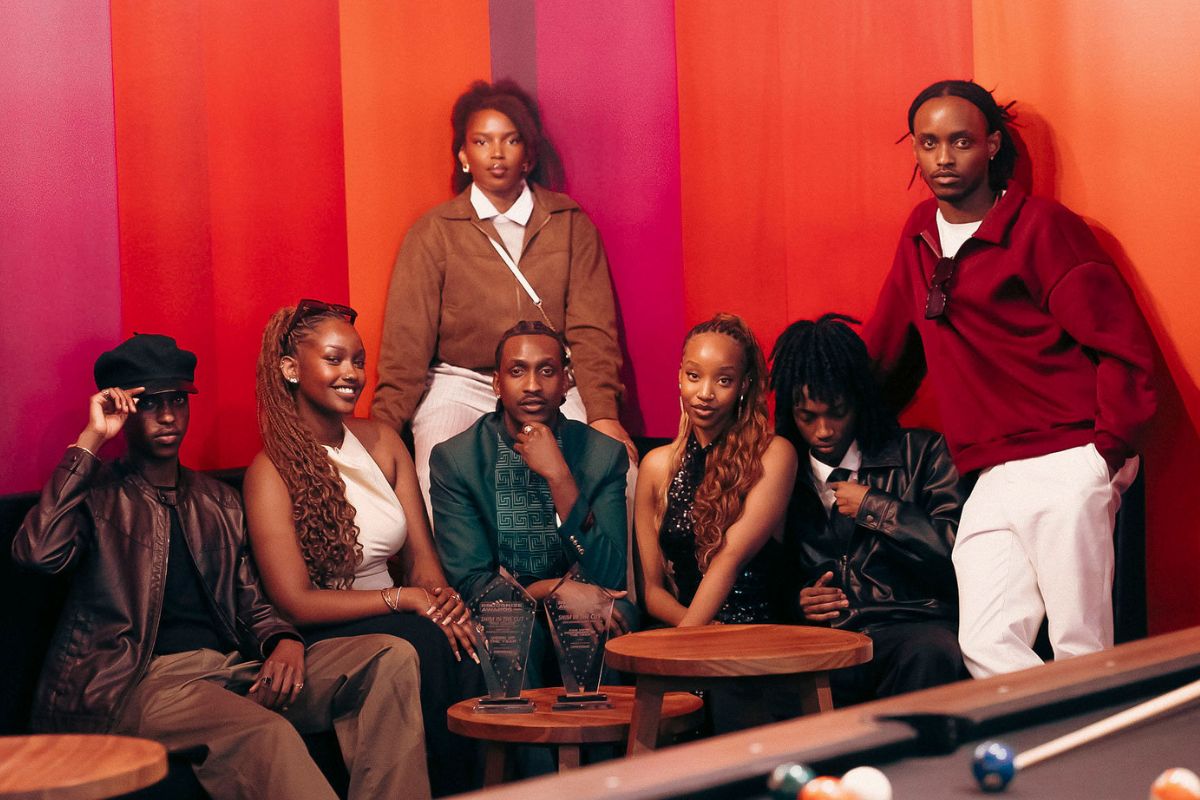
Jhamesha: Tell me more about Buja Ensemble Records, and how they tie in with Shim in the Cut.
Shim In The Cut: Buja Ensemble Records is a label, a talent agency that I co-founded with my manager. Laurent Ville, Mr. LV, and, we started that in 2023, alongside my cousin Ora; she’s a dancer. Her and Oza and Mika. Ora recruited all of them to come dance at my first solo show, and, because I knew Ora loved dancing and whatnot, they came through, we performed together, and the chemistry was just incredible from the get-go. Ora then went out to get Max, and then Chris later joined, and then my brother joined. So that collective right there formed Buja Ensemble. Buja is short for Bujumbura, which is the capital city of Burundi, and Ensemble means together. I feel like just the name itself represents what we’re trying to represent, the mass. We’re a minority in the world, but we’re doing big things, so I feel like with that name, it brings everybody together.
We also have Serge Nsuki, who is a comedian from Rwanda that’s also in the collective, who joined as well, shortly after the solo show, because he was the host, and it just made sense. Everything from that solo show, everything just made sense. Elvie had a great idea to join us all together and form this big East African collective that’s going to take over the world. Ever since, we’ve just been working together. We all work together to help each other and help our dreams come to life. Whenever we perform, you see me, you see the dance group, you see Serge sometimes hosting our shows, and we kind of all blend in together. Recently, we’ve opened up a dance class with the Buzhan Song Dance Crew, which is Groove District. It’s their crew, and they offer the Groove District Workshops. We’ve, done, two classes so far, very successful, we even had CBC come in and give us an interview for it.
Jhamesha: Your music videos, like Go Go Go, and Piña Colada, carry a very cinematic feel, with a lot of visual creative direction. How do you come up with the narratives, the stories?
Shim In The Cut: As far as the vision of the videos, most of the time, it would be me and the team working together, trying to make the best possible music video for that song, especially for “Go Go Go”. I remember the overall feel of “Go Go Go”, it really gave international, and it was, that was kind of the theme when me and LV were going through it, and thinking about a music video. We were thinking about just going global with it, which is why you see representation of a lot of different cultures. We do have dances in there, but then there’s this one scene where you see a lot of different flags, which is to represent the African culture here in Canada, in Ottawa. We honestly just bounce ideas off of each other, and we form a script, we find a director, and then we work together, and of course, the Buja Ensemble Dance crew come up with the craziest choreos, so it’s always fire.

“I knew that my music had the potential to touch a lot of people around the world. For people to listen to me, it just means a lot to me, more than the numbers. It’s all about the impact.”
Jhamesha: On a global scale, you’ve accumulated such a high listener count on your streaming platforms, with 1.1 million views on your most recent release. Would you count this towards one of your goals that’s been achieved as you’re growing within the music scene? How does that make you feel?
Shim In The Cut: Most definitely. I knew that my music had the potential to touch a lot of people around the world, and just being given that visibility and that opportunity to be out there, and then for people to listen to me, it just means a lot to me, more than the numbers. It could be 250 people. That would still mean a lot, you know? I’ve had songs that haven’t reached that many numbers, but still means a lot to me. It’s just the impact. It’s all about the impact. Of course, it’s a wonderful thing, reaching a million views and having so many people listen from around the world, from the UK, from South Africa, from Burundi, from Canada, from the States, but overall, we are focused on the impact and how we’re going to touch the next generation. I feel like I’m doing so. There’s little kids, six, seven years old, their parents are sending me videos of them dancing in front of the TV, singing the lyrics. They don’t even know what they’re saying, but I can see how they’re enjoying themselves. I also see grown people doing that. It’s kind of like blending all the generations together, and that’s what matters to me. That’s what matters to me the most, to be honest. Obviously, the goal is to keep reaching new heights. I want to touch the 100 millions and whatnot, but it’s going to take its time. I’ll be patient for it.
“Music is constant. I’m always thinking about the next thing, so I feel very motivated.”
Jhamesha: You won two awards through Cranium Arts Projects’ Recognize Awards in two consecutive years. Performer of the Year in 2024 and Music Video of the Year this year. What are some of the emotions that you carry through winning these accolades?
Shim In The Cut: Just proud. I’m very proud. It’s a motivational feeling. Especially because of the hours we put in. Whenever we rehearse for a performance, we put our all in, especially when we perform. Even the performances people don’t see, or the music people don’t hear, all these hours in the studio. Music is an everyday thing, you, there is no, Monday to Friday, and then Saturday, I get to chill. Music is constant. I’m always thinking about the next thing, so I feel very motivated. I feel like it’s great to be recognized, and I’m very, honored to be recognized by Cranium and the city. So, I just want to keep that going, and just bring it to new heights, and show what Ottawa got and what Burundi has to present to the world.
Jhamesha: Do you feel that your growth in the music scene has changed you as a person at all?
Shim In The Cut: It’s definitely changed how I view certain stuff. I’m very business oriented, so I got to learn a lot of stuff throughout the years, and that I can implement in anything I want to do. Being in the music business, you see the best things in the world, you also see the worst things in the world. You work with the best people, you also work with the worst people in the world. I’ve learned a lot from that. Whenever I go into meetings, or when I meet people, when I meet supporters, I kind of know how to conduct myself in different crowds. If you’ve seen me before, you know I’m very social, and I’m outgoing, like, I don’t hesitate to go up to people, and I feel like that has been something I always had, and that will never change. And that’s probably one of the things that got me to where I am, just not fearing. Just not being hesitant, and going for it. So, I don’t think music has changed me, but it’s definitely making me improve myself in different aspects of my life.
“Sometimes when you don’t even think things are possible, God just makes a way.”
Jhamesha: Finally, what are your future aspirations for 2026, or beyond?
Shim In The Cut: Everybody has been asking for a new single. ‘When’s the next song coming out?’ ‘When’s the next song coming out? Right now, I’m preparing for a new song coming out. I’m preparing a few shows around the world. I won’t say where yet, or which cities, but I have a little tour coming up, and, we’ve just been preparing for that. Trying to organize it, and fix dates, and whatnot, but I’m very excited for that. I want to perform in front of new crowds, in new spaces. I’m very excited for that. Ever since I started performing, each year has always gotten better. And sometimes when you don’t even think things are possible, God just makes a way. It’s crazy. I’ve performed in front of 15 people. 20 people. And last year, I was presented with an opportunity to perform in front of 10,000 people, just from a phone call. I’m very excited for what’s coming up. And I hope you are too.
Shim In The Cut is set to perform in Ottawa on July 18th.


Related content: